
Phobia Treatment for Children in Bahawalpur
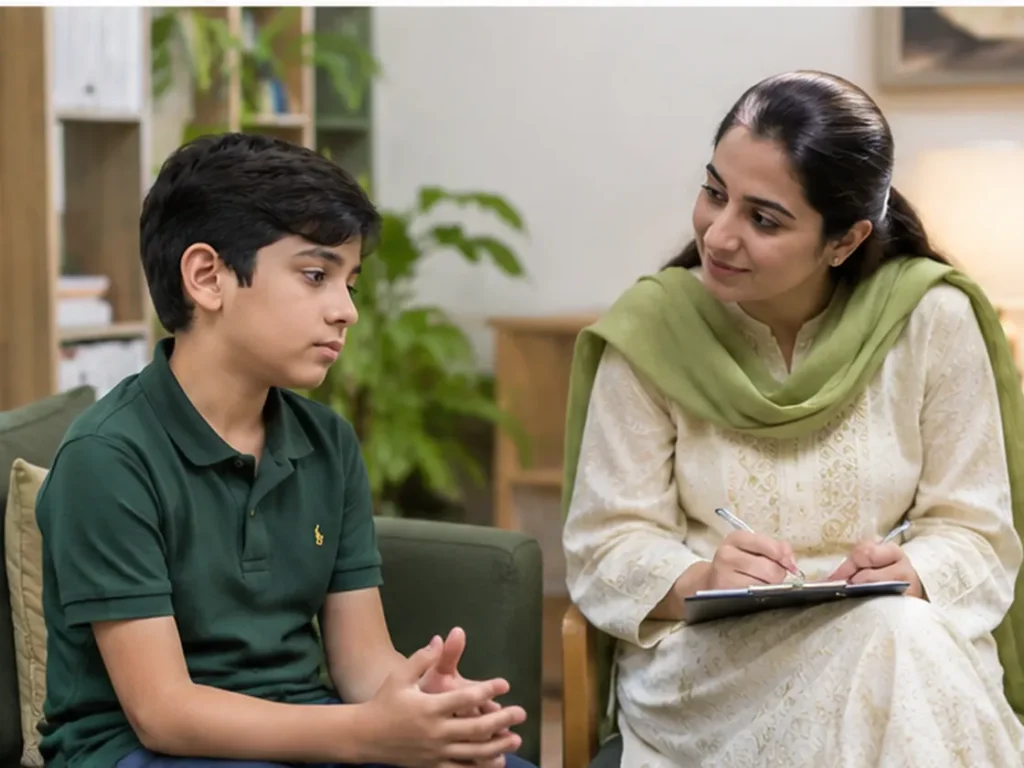
Helping children approach their fears with understanding and confidence.
Many children have fears as they grow, but sometimes a particular animal, place, medical procedure or situation becomes so frightening that it affects everyday life. At Rafaa Center in Bahawalpur, our child psychology team helps children and adolescents understand intense fears and avoidance through age-appropriate psychological assessment, CBT-informed support, gradual exposure and parent guidance. The aim is to help each child feel safer and more capable, one manageable step at a time.
When a fear begins to control everyday life.
A phobia is more than simply disliking something.
A specific phobia involves intense, persistent fear of a particular object or situation. The child may try hard to avoid it or become extremely distressed when it cannot be avoided. Examples include fear of dogs, insects, injections, storms, heights, lifts or certain enclosed spaces.
The fear can affect routine activities, school, family outings and medical appointments. A child may feel frightened even when adults consider the situation relatively safe. Fear is a real emotional experience, so simply telling a child to “stop being scared” rarely resolves the difficulty.
At Rafaa Center, child psychological assessment looks at the child’s developmental stage, their fear triggers, physical reactions and the impact on daily life. Therapy helps the child build confidence through supportive, realistic steps, while parents learn how to encourage progress without pressure.
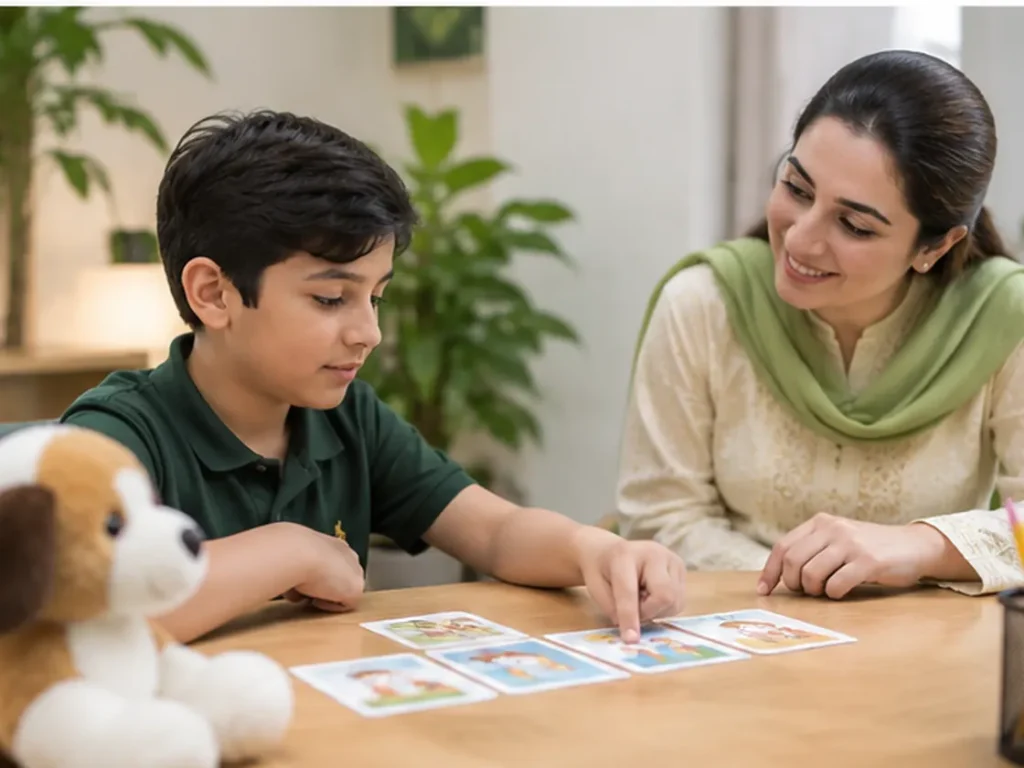
How a specific phobia can appear in children.
Children express anxiety in different ways. These signs become important when they persist and disrupt everyday life.
Intense fear around a trigger
Strong distress when seeing, hearing about or expecting a particular object or situation.
Avoiding everyday activities
Refusing certain routes, parks, school events, appointments or situations connected with the fear.
Physical anxiety reactions
Racing heart, sweating, shaking, nausea, stomach discomfort or feeling lightheaded.
Crying, freezing or clinging
Young children may become tearful, hold tightly to a caregiver or freeze when overwhelmed.
Worrying before an event
Repeated questions, anxious anticipation or trouble sleeping before a feared experience.
Disruption to family and school
When fear significantly affects attendance, relationships, health appointments or family routines.
Not every childhood fear is a disorder.
Ordinary childhood fears: Many children are frightened by darkness, unfamiliar animals, loud noises or new experiences. These fears often become easier with age, reassurance and experience.
Specific phobia: The fear is unusually intense, persistent and out of proportion to the situation. Avoidance and distress interfere with daily life, even when a child understands that the risk is small.
Different fear categories: Animal phobias, fears of storms or heights, blood-injection fears and situational fears are common examples. Social anxiety and school avoidance may involve additional causes that need careful assessment.
Understanding the context: A frightening experience, anxiety in the family, developmental differences or learned avoidance may shape how fears develop. Not every child has an identifiable cause.
A supportive starting point: The psychologist explores what the child fears, what they believe might happen and how the fear affects daily activities, before planning treatment.
A small fear can become a very big barrier.
Progress begins when a child feels heard, not rushed.
Imagine a child who avoids visiting relatives because there is a dog at the house. Even approaching the street feels frightening. The family begins changing plans to prevent distress, and over time the child’s world becomes smaller.
In therapy, the first step might simply be talking about dogs and noticing how the body reacts to fear. Later steps could include looking at pictures, exploring a toy dog or watching a calm dog from a safe distance. The activities are designed collaboratively, taking account of the child’s age, readiness and the actual safety of the situation.
Each manageable experience helps the child practise coping without immediately escaping. Parents learn to reinforce brave efforts with encouragement and patience. Our Child & Adolescent Psychology Services also support wider anxiety, confidence and emotional concerns.
Help for children whose fears are limiting their lives.
Phobia-focused psychological support can help children and adolescents who experience intense fears, avoid important situations or struggle to participate comfortably in daily activities.
How therapy helps children manage specific phobias.
Child-centred psychological assessment: The therapist explores fear triggers, duration, avoidance patterns, physical anxiety symptoms, developmental needs and the effect on everyday life. This forms the basis for an individual treatment plan.
Cognitive Behavioural Therapy (CBT): CBT-informed work helps the child understand the connection between thoughts, anxious feelings, body sensations and avoidance. Age-appropriate activities, discussion and play can support this learning.
Graduated exposure: With professional guidance, the child approaches feared situations in small, planned and achievable steps. Each step builds familiarity and confidence. Activities are never about shaming or suddenly overwhelming a child.
Fear hierarchy: The child and therapist organise feared situations from easier to more challenging, then agree on how to practise gradually with supportive feedback.
Parent coaching: Caregivers learn how to validate their child’s fear, encourage manageable practice, avoid reinforcing excessive avoidance and respond calmly during anxious moments.
Everyday application: Skills are practised between sessions so the child can use them at home, school and other relevant settings. Progress is reviewed and goals are adjusted over time.
Coordinated care: Where anxiety overlaps with other emotional, developmental or medical concerns, the team supports a wider assessment and care plan. Learn more about child mental health assessment at Rafaa Center.
Practical ways children build confidence.
Therapy uses a structured, child-friendly approach, balancing gradual exposure with emotional understanding and caregiver support.
Understanding the fear response
Recognising body sensations, anxious thoughts and avoidance patterns in language a child can understand.
Planning small steps
Creating a personalised fear ladder, starting with situations the child can approach confidently.
Practising coping
Using realistic goals, supportive exposure and emotional regulation techniques during safe practice.
Maintaining progress
Helping families repeat useful skills across everyday activities and recognise developing confidence.
A clear, gradual pathway towards managing fear.
At Rafaa Center, child psychological support is tailored to the child’s age, experiences and daily-life goals.
Initial child and family consultation
01 · ASSESS
We explore the feared situations, distress, avoidance, family concerns and how the fear affects school and daily life.
Create a fear hierarchy
02 · PLAN
The psychologist works with the child and parents to identify achievable steps, from easier situations to more challenging ones.
Gradual supported practice
03 · PRACTISE
Age-appropriate CBT and planned exposure exercises help the child build confidence at a manageable pace.
Review and reinforce progress
04 · STRENGTHEN
Parents receive guidance to support practice at home, while goals are adjusted as the child’s confidence grows.
Meet our child psychology professional.
Areeda Amjad is a Clinical Psychologist at Rafaa Center, specialising in child and neurodevelopmental concerns. Her work includes psychological assessment, childhood anxiety, emotional and behavioural difficulties, parent guidance and CBT-informed approaches. She helps children and families develop practical strategies for emotional wellbeing and confidence.

Areeda Amjad
Clinical Psychologist · Child & Neurodevelopment
Clinical psychologist supporting children and adolescents with anxiety, emotional and behavioural concerns through individual assessment, psychological support and family guidance.
Questions about phobia treatment for children in Bahawalpur.
Clear answers about specific fears, CBT, gradual exposure, parental involvement and what a child psychology consultation involves.
Where can I find phobia treatment for children in Bahawalpur?
Rafaa Center offers child psychological assessment and CBT-informed support for intense fears and avoidance, with practical parent guidance. Book a child psychology consultation through our contact page.
What is the difference between a normal childhood fear and a phobia?
Many childhood fears are temporary. A phobia involves intense and persistent fear of a particular object or situation that causes significant distress or disrupts daily activities.
What are common phobias in children?
Children may develop strong fears of animals, insects, storms, heights, enclosed spaces, blood, injections or certain situations. Each child experiences fear differently.
How many sessions does phobia treatment take?
The number of sessions varies with the child’s age, the severity and duration of the fear, daily-life impact and response to therapy. The psychologist reviews progress and adjusts the plan with the family.
Is Cognitive Behavioural Therapy effective for childhood phobias?
CBT is an evidence-supported psychological treatment for childhood anxiety and specific phobias. It helps children understand fear responses and practise more confident ways of coping.
What is graduated exposure therapy?
Graduated exposure is a planned process of approaching feared but safe situations in small manageable steps, with therapeutic support and appropriate preparation.
Will my child be forced to face the fear?
Therapy is collaborative and supportive. Exposure activities are chosen to match the child’s readiness and goals and should never involve unsafe or humiliating experiences.
Can a fear of dogs be treated?
Yes. A therapist might begin with talking about dogs, then use pictures, toys or observation from a safe distance before considering later steps. The plan is tailored to the child.
Can therapy help with a fear of injections?
Psychological support can help with needle-related anxiety using gradual practice and practical coping strategies. The therapist also considers medical safety and the child’s physical response to needles.
Why does my child cry or cling when frightened?
Children can express intense fear through crying, freezing, clinging, avoidance or physical symptoms. These responses reflect distress and deserve calm support.
Should parents stop avoiding everything their child fears?
Parents can gently encourage age-appropriate, safe experiences while validating fear. Sudden or forced exposure can increase distress; a structured therapy plan provides a more helpful approach.
Can a phobia affect school attendance?
Yes. If the trigger is linked to travel, animals, crowded spaces, medical visits or other school experiences, avoidance can disrupt attendance and concentration. Assessment helps clarify what is contributing.
Is a child phobia the same as social anxiety?
Specific phobias centre on a particular object or situation. Social anxiety involves fear of social scrutiny or negative evaluation. A psychologist assesses the full pattern to guide support.
Do parents participate in treatment?
Parent involvement is an important part of child phobia treatment. Caregivers learn how to support practice, encourage confidence and respond to anxiety at home.
How do I book a child phobia consultation at Rafaa Center?
Call or WhatsApp +92 311 4522233 or visit rafaacenter.com/contact-us/. Rafaa Center is located at House No. 5, Street No. 4, Muhammadiye Colony, Bahawalpur.
Help your child face fears.
Small steps. Growing confidence.