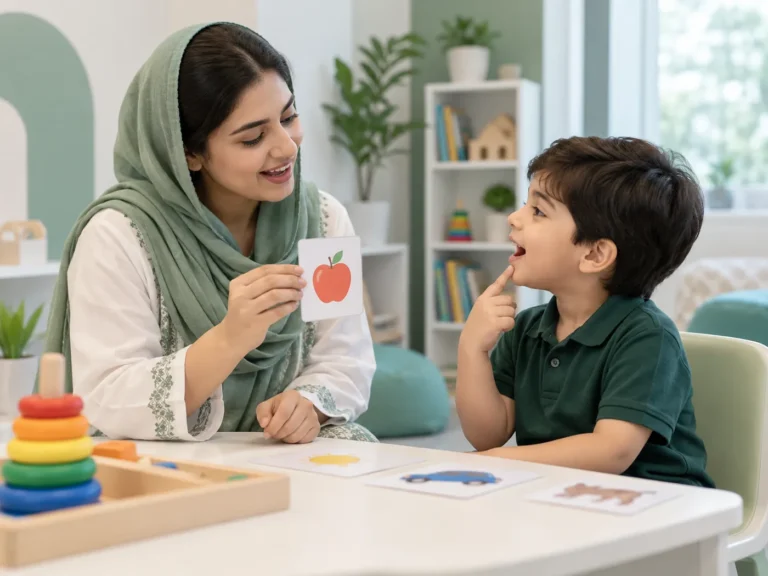
A calmer school transition begins with listening rather than pressure. Avoid demanding friendships, treating last year's difficulties as a permanent label, or comparing grades. Focus on each child's needs and seek support when school distress persists.
The new school term is approaching, and the house is already busy. There are uniforms to arrange, books to buy, timetables to organise and questions about how this year will go. In the middle of it all, a parent asks, “Will you make more friends this time?” or “Promise me your marks will improve.” The words may come from genuine concern, but a child can hear them as another expectation they must meet.
For some children, returning to school brings excitement. For others, it brings worries about classmates, teachers, grades, separation from parents or fitting in. At Rafaa Center in Bahawalpur, we encourage parents to look beyond a child’s performance and understand what a new school term actually feels like for them.
This guide explores three common ways caring parents can unintentionally increase back-to-school stress, what to say instead, and when persistent school anxiety or behavioural changes may need professional attention.
Why Does Going Back to School Make Some Children Anxious?
A familiar routine can still feel difficult when expectations change. A child may be moving to a new class, meeting a different teacher, sitting more demanding exams or wondering whether friends will include them. Younger children may worry about leaving home, while adolescents can feel pressure around friendships, appearance, academic results and independence.
The NHS guidance on anxiety in children identifies changes such as starting a new school, schoolwork, bullying and loneliness among possible sources of anxiety. The important question is not whether a child should be worried, but what is making school feel stressful for that particular child.
Signs can include stomach aches before school, tearfulness, disrupted sleep, irritability, sudden silence about classmates or unusually strong reactions to homework. None of these signs proves an anxiety disorder on its own. Look for patterns, ask gentle questions and consider what is happening both at home and at school.
1. Do Not Turn Making Friends Into a Performance Target
Imagine a child who spent last year sitting alone during breaks. Their parent naturally wants things to improve and says, “This year you must make friends. I don’t want to hear that you were alone again.” The intention is protective. But a child who already feels excluded may now believe they are disappointing their parent as well.
There can be many reasons for friendship difficulties. Some children prefer one close friend to a large group. Others need more time to feel comfortable. A child may be facing teasing, bullying, social anxiety, communication difficulties or simply a classroom environment that does not yet feel welcoming. Pressuring them to become more outgoing rarely tells you which of these is happening.
Try saying: “How do you feel during break time?” “Is there anyone you enjoy talking to?” or “Would you like us to think about something that might make lunchtime easier?” Let your child answer without immediately correcting their feelings.
- Listen before suggesting solutions. Ask what happens on a typical school day rather than starting with “Why don’t you have friends?”
- Respect different personalities. A quieter child is not automatically unhappy or socially unsuccessful.
- Watch for bullying. If your child mentions threats, humiliation, exclusion or feeling unsafe, speak to the school promptly and take the concern seriously.
- Support small steps. A shared activity, a kind classmate or a school club may be more manageable than a demand to become popular.
If loneliness persists, is clearly distressing or affects attendance and wellbeing, it is reasonable to ask for help. Children should not have to solve bullying or unsafe school situations on their own.
2. Give Your Child a Fresh Start Instead of Repeating Last Year’s Mistakes
A poor report card, repeated complaints from a teacher or a difficult exam season can stay in a parent’s memory. Sometimes they also become the first words a child hears before the new term: “Don’t embarrass us again,” “No more complaints this year,” or “You were careless last time.” Even when parents mean to motivate, these reminders can make a child feel that the new year is already another test they are likely to fail.
Children are more than their previous grades or disciplinary records. A student who joked during lessons may have been bored, overwhelmed, anxious, struggling to understand the work or seeking attention from classmates. This does not excuse harmful behaviour, but it means that understanding the reason is often more helpful than repeatedly attaching the label “bad student.”
Try saying: “Last year was difficult in some ways. What would you like to feel better about this year? What could we change together?” Set one realistic goal instead of expecting a complete transformation on the first day.
- Review the problem without blame. Ask which subjects or school situations were hardest and what support was missing.
- Make a practical plan. Agree on manageable homework time, sleep routines and check-ins rather than daily warnings.
- Speak with teachers collaboratively. Share relevant concerns and ask what helps the child participate, focus and feel safe.
- Consider learning or developmental needs. Repeated difficulty with attention, language, reading, behaviour or classroom demands may warrant a professional assessment.
Rafaa Center’s child and adolescent support services include concerns around school functioning, behaviour, emotional wellbeing and developmental differences. When difficulties continue despite appropriate support, an assessment can help clarify strengths and barriers rather than simply adding pressure.
If reading, writing or maths are the main concerns, our guide to learning difficulties in children explains signs of dyslexia and dyscalculia, when to seek assessment and practical ways parents can support their child.
3. Stop Comparing Grades, Personalities and Progress
A child comes home with a result they worked hard for. Before recognising the effort, an adult asks, “What did the topper get?” or “Why can’t you be like your cousin?” Comparison can sound harmless when it is part of everyday family conversation. But it may shift the child’s attention from learning to proving their worth against someone else.
Every child develops differently. One student might read confidently but struggle in mathematics. Another might be strong in problem-solving but find presentations frightening. Some children are balancing health issues, emotional stress, language differences or learning needs that are not immediately visible.
Praise should be specific and sincere, not a promise that results never matter. You can acknowledge effort and still discuss what needs to improve. The difference is whether the conversation helps your child learn or makes them feel smaller.
Try saying: “You worked consistently on this subject, and I noticed that.” Or, after a disappointing result: “Which part was difficult? Let’s work out what support would help next time.”
- Compare progress with the child’s own starting point. A small improvement may represent considerable work.
- Value more than marks. Notice curiosity, persistence, kindness, creativity and the ability to ask for help.
- Keep expectations realistic. Academic goals should match the child’s needs, not the achievements of siblings or cousins.
- Protect your relationship. Make sure affection and attention are not conditional on a report card.
When children know they can discuss mistakes without being humiliated, it is easier for them to ask for help earlier. That kind of trust matters far beyond one school year.
How to Make the First Weeks of School Less Stressful
A calmer return to school does not require a perfect parenting routine. Choose a few steps that address your child’s actual concerns.
- Prepare gradually. Adjust sleep and morning routines before classes begin, rather than changing everything overnight.
- Discuss the day without interrogation. Ask one open question such as, “What felt good or difficult today?” and give your child time to answer.
- Avoid overscheduling. Tuition, extracurricular activities and homework should leave room for rest and unstructured play.
- Explain what to expect. If the school, teacher or transport route is new, help the child understand the practical details in advance.
- Stay connected to the school. Build a respectful line of communication with teachers, especially if your child has a history of distress or learning difficulties.
- Notice small wins. Getting through the first morning, asking a question in class or trying a new activity can be meaningful progress.
If the child wants reassurance, offer it honestly. Rather than saying “There is absolutely nothing to worry about,” you might say, “Starting again can feel strange. If something is hard, we can talk about it and work on a plan.”
What if My Child Refuses to Go to School?
School avoidance is sometimes described as school refusal. A child who repeatedly says they cannot attend may be dealing with anxiety, bullying, a learning difficulty, sensory discomfort, separation concerns or another issue. It is important not to assume they are simply being stubborn or manipulative.
Ask what happens before school and which part of the day feels hardest. Speak with the school about attendance, safety, classroom expectations and possible accommodations. If distress is severe or recurring, consult an appropriate healthcare or mental health professional. Avoid forcing a child into a frightening situation without first understanding the concern, especially if bullying or safety is involved.
The NHS advice on anxiety disorders in children recommends seeking help when anxiety persists or affects school, family life and friendships. Early conversations can make it easier to identify what kind of support would be appropriate.
When Should Parents Consult a Child Psychologist in Bahawalpur?
Not every difficult morning needs therapy. However, persistent distress, school-related panic, repeated emotional outbursts, withdrawal, problems with learning or attention, and significant changes in sleep or daily functioning deserve closer attention. A professional can help explore whether the difficulties relate to anxiety, classroom demands, developmental factors, experiences with peers or other concerns.
If repeated tantrums, refusal or classroom conflicts are the main concern, our guide to challenging behaviour and behavioural disorders in children explains practical responses and when professional assessment may help.
Rafaa Center provides child and adolescent psychological support in Bahawalpur. Areeda Amjad, listed on our clinical team, has a child psychology and neurodevelopmental focus that includes emotional and behavioural concerns, school and learning difficulties, parent guidance and assessment-related support. You can review the team’s published qualifications before requesting an appointment.
A child-focused consultation may involve listening to the parents, understanding the child’s experience, reviewing developmental and school history and discussing suitable next steps. It should not begin with the assumption that a child is “lazy,” “bad” or automatically has a diagnosis.
For an overview of available psychology and developmental support, see 5 Mental Health Support Services at Rafaa Center in Bahawalpur. To discuss a child psychology consultation, contact Rafaa Center and confirm the appropriate professional’s availability.
A More Helpful Conversation After School
Instead of beginning with marks, discipline or how many friends your child made, try a short conversation that signals safety and curiosity.
- Start gently: “What was one interesting thing about your day?”
- Invite concerns: “Was there a moment when you felt uncomfortable or left out?”
- Ask before advising: “Would you like me to listen, or would you like help finding a solution?”
- Plan together: “What is one small thing that could make tomorrow easier?”
Not every child will answer immediately. Some need quiet time after school before they can talk. Keep the door open without demanding a complete account of the day.
Frequently Asked Questions
Is it normal for children to feel anxious when school starts?
Yes. Many children feel uncertain during a new term, especially if routines, teachers or classmates change. Anxiety deserves more attention when it is intense, lasts a long time or interferes with attendance, sleep, friendships or daily activities.
How can I help my child who has no friends at school?
Start by asking how your child feels about their friendships instead of insisting they become more social. Check whether they are comfortable being alone or are experiencing loneliness, exclusion or bullying. A teacher may be able to help identify a safe and appropriate way to support connections.
Should I compare my child’s grades with classmates?
Comparison is usually less useful than understanding your child’s effort, learning needs and progress. Discuss academic goals directly and respectfully without using other children as the standard for your child’s value.
Can academic pressure cause emotional or behavioural problems?
Excessive or poorly matched expectations can contribute to stress and frustration. However, changes in behaviour may also reflect learning differences, bullying, anxiety, family concerns or other factors. Understanding the pattern matters more than blaming one cause.
When is a child psychologist assessment appropriate?
Consider an assessment when emotional, behavioural, attention or school difficulties persist, worsen or significantly disrupt daily life. A professional can explore the concerns and recommend appropriate next steps, including referrals where needed.
Where can I find child psychology and parent guidance in Bahawalpur?
Rafaa Center offers child-focused psychological and developmental support in Bahawalpur. Review our team to learn about the professionals and use the contact page to enquire about child psychology or parent guidance appointments.
Read more practical parenting and psychological wellbeing articles in the Rafaa Guides library. Parents and caregivers can also explore our everyday mental wellbeing guide for simple ways to manage their own stress during a busy school term.
Rafaa Related Guides & Services
For related school and family wellbeing topics, read signs of learning difficulties in children, understanding challenging behaviour in children, and everyday mental wellbeing habits.
For child-focused assessment or counselling, see Child Psychology Services and Child Mental Health Assessment.