
Body Dysmorphic Disorder (BDD) Support for Young People in Bahawalpur

When appearance worries begin to take over everyday life, understanding can help.
Body Dysmorphic Disorder (BDD) involves intense distress about perceived imperfections in appearance, often accompanied by repeated checking, comparing, concealment or avoidance. For a teenager, these thoughts may affect school, friendships, confidence and emotional wellbeing. At Rafaa Center in Bahawalpur, families can enquire about child psychological assessment and support for distressing thoughts and behaviours. A qualified professional can explore whether specialised BDD-focused treatment or psychiatric referral is appropriate.
BDD is more than ordinary teenage insecurity about appearance.
The distress comes from persistent thoughts and routines that become difficult to control.
Many teenagers worry about how they look from time to time. BDD is different because appearance-related concerns become persistent and distressing, and may lead to time-consuming behaviours such as checking, seeking reassurance or avoiding situations where the young person feels seen.
A person may focus on skin, hair, facial features, symmetry or another perceived flaw that other people consider minor or do not notice. The aim of treatment is not to argue about whether someone looks attractive. It is to reduce distress, compulsive behaviours and disruption to everyday life, while respecting the young person’s experience and dignity.
At Rafaa Center, our child and neurodevelopmental clinical psychologist can discuss emotional and behavioural concerns. A BDD-specific clinical diagnosis and evidence-based treatment plan should be arranged with an appropriately qualified professional. For wider emotional concerns, see Child & Adolescent Psychology Services.

What might BDD-related difficulties look like?
A single behaviour does not prove BDD. A professional considers its persistence, intensity, effect on functioning and other possible explanations.
Persistent appearance-related thoughts
Spending significant time worrying about a perceived flaw despite efforts to move on from it.
Mirror checking or avoidance
Repeatedly checking mirrors, photographs or reflections, or avoiding them because of distress.
Frequent comparisons
Continually comparing a feature with other people or images and feeling increasingly anxious afterward.
Concealing or excessive grooming
Spending long periods on routines intended to hide, correct or monitor the perceived issue.
Repeated reassurance seeking
Frequently asking others how a feature looks, with relief that is brief and worries that return.
Withdrawal from normal activities
Avoiding photos, school, friendships or public activities because of appearance-related fears.
Understanding the difference between body image worries and BDD.
Normal appearance concerns: Many young people have periods of insecurity. These feelings do not automatically indicate a mental health disorder.
Persistent preoccupation: In BDD, thoughts about a perceived appearance flaw may become repetitive, intrusive and difficult to set aside, even when the concern seems minor to others.
Repetitive responses: Checking, comparing, concealing, grooming or seeking reassurance may temporarily reduce anxiety but can keep the worry cycle going.
Impact on functioning: School attendance, social interaction, mood, concentration and relationships may suffer. Some young people feel considerable shame discussing their concerns.
Related conditions: OCD, anxiety, depression and eating disorders can overlap or look similar. Concern primarily about weight or shape in the context of an eating disorder needs careful differential assessment.
A psychologist should listen without dismissing the concern, assess safety and determine whether further specialist BDD evaluation is necessary.
One small appearance concern can begin to dominate a whole day.
Reassurance often gives temporary relief, but the worry quickly returns.
Imagine a teenager who spends a long time getting ready because they feel a particular facial feature looks wrong. They repeatedly check their reflection, ask family for reassurance and avoid having photographs taken. Although family members insist that nothing is wrong, the anxiety comes back, and leaving home becomes harder.
These patterns deserve compassion rather than teasing or criticism. A clinical assessment can explore what the young person fears, how often they check or avoid situations, and whether other emotional concerns are involved.
Evidence-based BDD treatment may help reduce the cycle of intrusive worry, checking and avoidance. Family members can learn to support the teenager without becoming trapped in repeated reassurance. Related concerns may also be discussed through adolescent depression support if persistent low mood is present.
When appearance-related distress is affecting everyday life.
A consultation can help clarify whether concerns reflect BDD, another mental health difficulty or a non-clinical body-image issue.
How may BDD be assessed and treated in young people?
Comprehensive psychological assessment: A qualified clinician explores the nature of appearance concerns, time spent on thoughts or rituals, avoidance, functioning, mood and possible related difficulties. Any risk of self-harm or severe depression must be assessed promptly.
BDD-focused Cognitive Behavioural Therapy: NICE recommends age-adapted CBT that includes Exposure and Response Prevention (ERP), with appropriate involvement of parents or carers, as first-line treatment for children and young people with BDD. Delivery requires relevant professional competence.
Exposure and Response Prevention: Within a safe, individually planned treatment, a trained clinician may help a young person gradually face feared situations while reducing repetitive checking, reassurance or concealment behaviours that maintain distress. This should never be attempted through forced exposure or humiliation.
Family and caregiver support: Parents may learn how to respond with empathy while avoiding unhelpful cycles of checking, arguing about perceived flaws or giving reassurance repeatedly. Involvement should respect the adolescent’s privacy and developmental needs.
School and daily-life support: When appropriate and with consent, clinicians may discuss accommodations that help a young person attend school, reduce avoidance and manage emotional distress.
Psychiatry review when indicated: For more severe symptoms or inadequate response to therapy, a child and adolescent psychiatrist may consider medication alongside CBT with careful monitoring, following assessment and relevant guidelines. Medication decisions are made through appropriate specialist medical care. Rafaa Center develops an individual psychological support plan addressing appearance-related distress and unhelpful checking and avoidance patterns. Read the NICE recommendations for OCD and BDD.
What can progress look like?
Every care plan is individual. These are examples of treatment goals, not guaranteed outcomes or a fixed therapy programme.
Reduce repetitive checking
Work towards spending less time on appearance-related rituals that interfere with everyday routines.
Return to valued activities
Gradually rebuild participation in school, hobbies, family life or friendships when avoidance has increased.
Strengthen coping skills
Develop ways to respond to uncomfortable thoughts and feelings without relying on repeated reassurance.
Support the family
Improve understanding, communication and realistic support while monitoring wellbeing and safety.
A considered pathway for BDD-related concerns at Rafaa Center.
Rafaa Center tailors psychological support to the young person’s symptoms, emotional needs and family circumstances.
Share the concern
01 · LISTEN
Discuss appearance-related thoughts, distress, rituals, avoidance, changes in school or social life and family observations.
Review psychological needs
02 · ASSESS
A clinician explores emotional and behavioural concerns and whether a BDD-focused specialist assessment is required.
Identify appropriate treatment
03 · PLAN
Discuss a personalised plan involving psychological support, family guidance and appropriate specialist treatment.
Review wellbeing and progress
04 · FOLLOW UP
When a care pathway is agreed, monitor functioning, symptom changes, safety and any need for medical review.
Meet Rafaa Center’s child psychology professional.
Areeda Amjad is a Clinical Psychologist at Rafaa Center specialising in child and neurodevelopmental psychology. Her clinical work includes child emotional and behavioural support, parent guidance, CBT and play-based approaches. Our team provides individualised assessment, compassionate psychological support and practical family guidance, with care tailored to each young person’s needs.
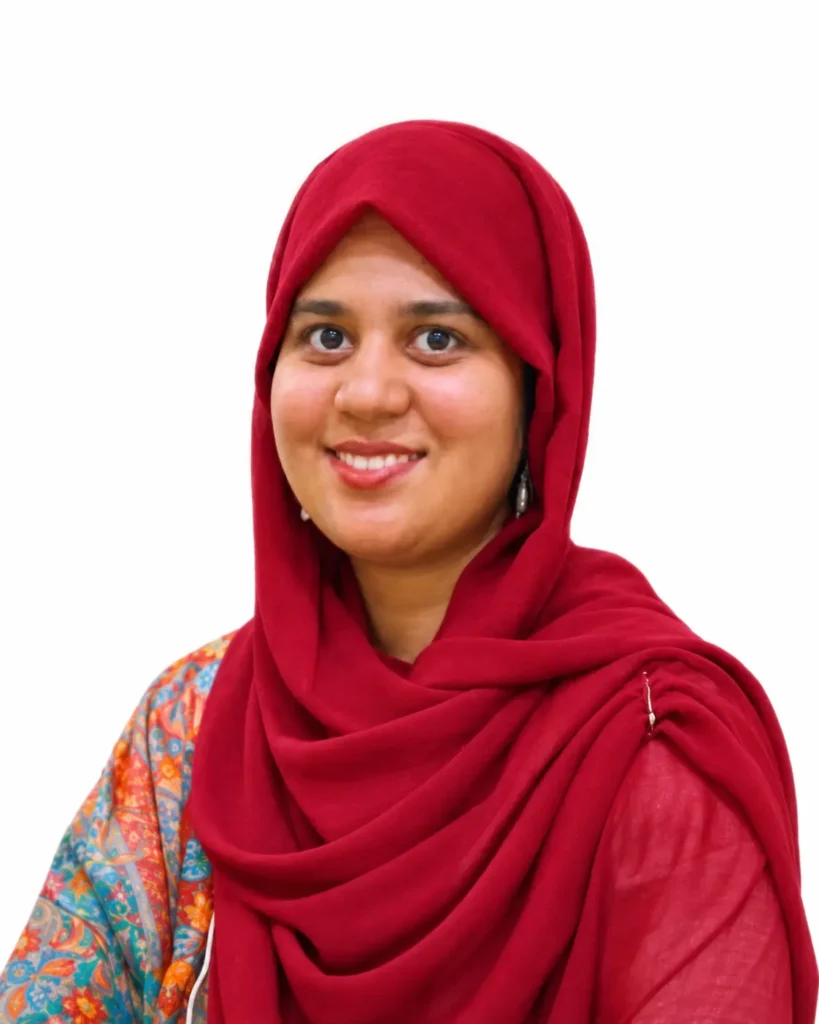
Areeda Amjad
Clinical Psychologist · Child & Neurodevelopment
Clinical psychologist experienced in child and neurodevelopmental care, including psychological assessment, emotional and behavioural concerns and caregiver guidance.
Body Dysmorphic Disorder (BDD) FAQs in Bahawalpur.
Clear answers about appearance anxiety, BDD treatment, family involvement, safety and getting professional help.
What is Body Dysmorphic Disorder (BDD)?
BDD is a mental health condition involving distressing preoccupation with perceived appearance flaws, often alongside repetitive checking, concealment, comparisons or reassurance seeking that interferes with everyday life.
Is BDD the same as normal low self-esteem about appearance?
No. Occasional insecurity is common. BDD involves persistent preoccupation and repeated behaviours or avoidance that cause significant distress or impairment, requiring professional assessment.
Can BDD begin in adolescence?
Yes. BDD often starts during adolescence, although the age and presentation vary. A young person’s symptoms deserve serious attention rather than dismissal as a phase.
How is BDD different from an eating disorder?
BDD may focus on many perceived appearance flaws. Some weight- or shape-related concerns can instead be part of an eating disorder. A qualified clinician assesses the full pattern, behaviours and health risks.
What are common signs of BDD in teenagers?
Persistent appearance worries, repeated checking or avoidance of mirrors, comparing oneself with others, camouflaging, reassurance seeking and avoiding school or social activities can be signs. They do not confirm diagnosis alone.
Does constantly checking a mirror mean my teenager has BDD?
Not necessarily. Mirror checking is common for many reasons. Assessment considers the amount of time involved, associated distress, other rituals and effects on functioning.
Can BDD affect school attendance and friendships?
Yes. Some young people avoid photographs, classrooms, social events or everyday activities because of appearance-related fears. These difficulties may also have other causes.
What psychological therapy is recommended for young people with BDD?
NICE recommends age-adapted CBT including Exposure and Response Prevention (ERP), with appropriate family or carer involvement, as first-line treatment for children and young people with BDD.
What does ERP mean for BDD?
ERP is a structured approach in which a suitably trained professional helps the young person gradually face feared situations while reducing checking, reassurance or avoidance behaviours. It should be collaborative and age-appropriate.
Does Rafaa Center offer specialist BDD-focused CBT or ERP?
Rafaa Center provides clinical psychological assessment and CBT-informed support for young people. The therapist develops an individual care plan addressing distressing appearance-related thoughts and behaviours.
Will cosmetic treatment cure BDD?
Cosmetic procedures generally do not address the underlying pattern of distressing thoughts and compulsive behaviours in BDD. A qualified mental health assessment is usually the more appropriate starting point.
Is medication needed for BDD in young people?
Not always. Psychological therapy is first-line. For certain more severe or treatment-resistant cases, an appropriately qualified child and adolescent psychiatrist may consider medication with careful monitoring alongside therapy.
How can parents respond to appearance worries?
Listen without ridicule, take the distress seriously and avoid getting stuck in repeated checking or reassurance cycles. A trained clinician can guide the family in supportive responses.
What if BDD leads to severe depression or self-harm thoughts?
Take any talk of self-harm or suicide seriously. Seek immediate emergency medical assessment when there is danger. A routine Rafaa Center appointment is not an emergency service.
How can I ask about BDD support in Bahawalpur?
Contact Rafaa Center by calling or messaging +92 311 4522233 or visiting rafaacenter.com/contact-us/. The centre is at House No. 5, Street No. 4, Muhammadiye Colony, Bahawalpur. Contact Rafaa Center to arrange a psychological assessment.
Help them feel understood.
Enquire about psychological support.