
Dyslexia & Learning Support in Bahawalpur
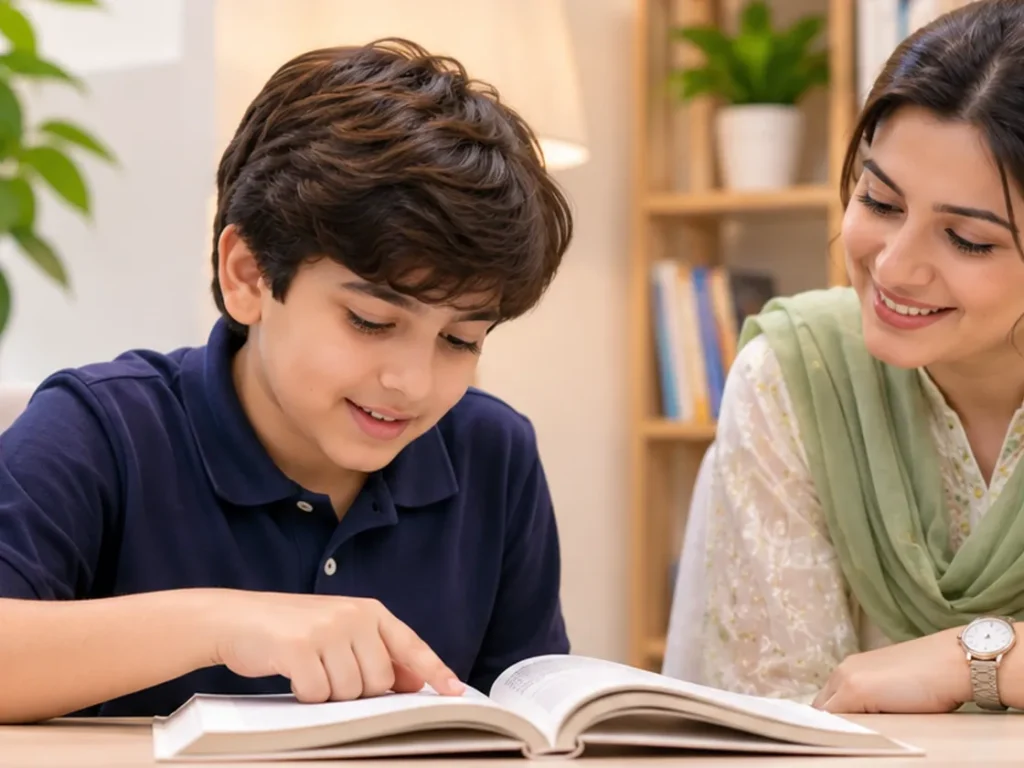
Every child can learn. The right support makes a difference.
Does your child struggle with reading, spelling or writing despite consistent effort? At Rafaa Center, our child psychology and speech-language team helps families understand dyslexia and learning difficulties through individual assessment and practical recommendations.
Learning difficulty is not a lack of effort
A child's strengths matter just as much as their challenges.
Dyslexia can affect reading accuracy, fluency and spelling. Some children also have difficulties with writing, maths, language or attention. These concerns do not establish low intelligence or laziness. Rafaa Center reviews developmental and school history, communication and learning needs before recommending appropriate assessment or educational support.
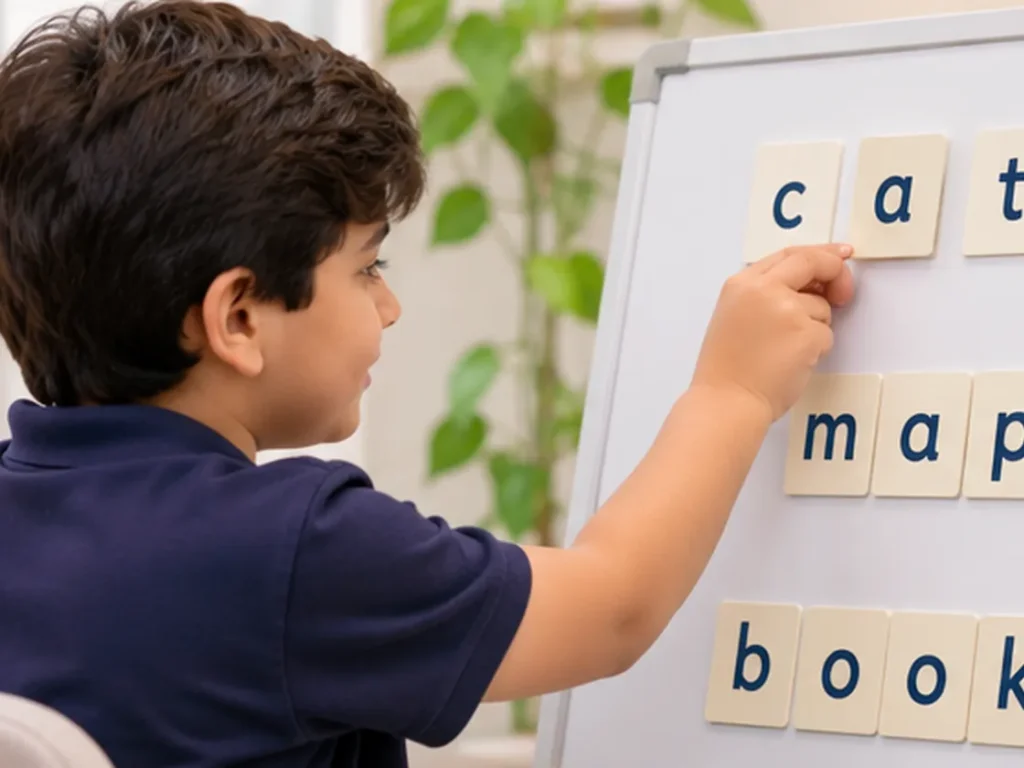
Signs of dyslexia and learning difficulties
Slow or effortful reading: Recognising words and reading aloud remains difficult.
Spelling problems: Letter-sound patterns and word spelling are persistently challenging.
Written assignments: Writing, organising ideas or finishing work takes excessive effort.
Sound awareness: Rhyming, blending sounds or connecting letters to sounds is difficult.
School confidence: Reading tasks trigger avoidance or frustration.
Related assessment and learning services
Different concerns may need different assessments. Explore the relevant service below.
Child IQ & Cognitive Assessment
Explore broader learning strengths and cognitive questions.
Pediatric Speech & Language
Assessment of language or speech-sound needs that affect literacy.
Child ADHD Assessment
Explore concentration or impulsivity concerns alongside learning.
Child Psychology Services
Support for academic stress, emotional wellbeing and families.
How we assess learning difficulties
We first discuss the concern, evaluate relevant needs, agree on practical steps and review progress over time.
Parent consultation
01 · LISTEN
We discuss developmental history, school performance, learning concerns, teacher observations and the child’s strengths.
Individual assessment
02 · UNDERSTAND
The clinician explores relevant psychological, developmental, learning and language factors through suitable assessment methods.
Personalised guidance
03 · PLAN
We explain findings and recommend appropriate learning strategies, family support and school accommodations.
Review and collaboration
04 · SUPPORT
Progress, school experiences and wellbeing are reviewed, with recommendations adapted to the child’s changing needs.
How Rafaa helps with learning concerns
Practical support based on assessment.
Assess learning needs: Our clinicians consider reading, writing, language, attention and school history alongside the child’s strengths.
Guide families and teachers: Recommendations may include suitable classroom adjustments, accessible practice and structured literacy instruction through appropriately qualified educational providers.
Coordinate support: Speech-language guidance or further psychoeducational assessment may be useful when communication and learning needs overlap. We do not assume one test confirms dyslexia.
Strengths first. Practical next steps.
Rafaa Center combines child clinical psychology and speech-language expertise through Areeda Amjad and Shiza Anum. Support begins with understanding the individual learning profile.
Our recommendations focus on practical school and family needs. The availability of specific tests or specialist literacy teaching should be confirmed before booking.
Meet the team supporting children’s learning and development.
Areeda Amjad and Shiza Anum support child developmental, learning and communication concerns. Their credentials and areas of care are shown below.
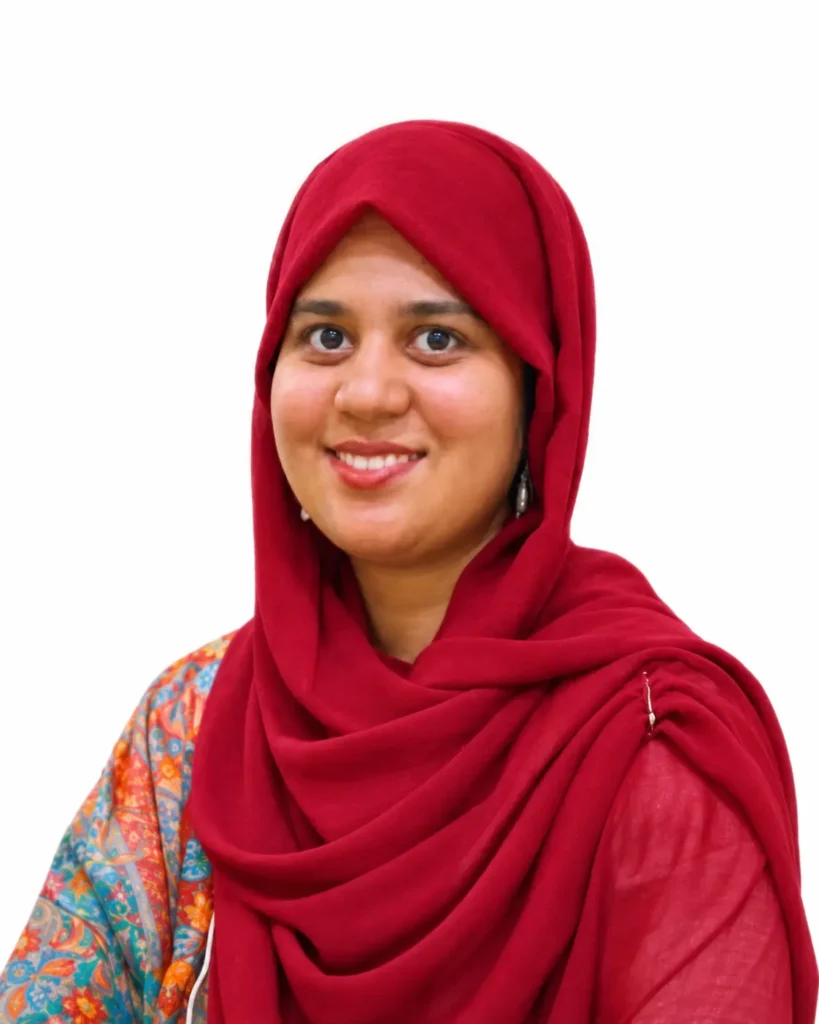
Areeda Amjad
Clinical Psychologist · Child & Neurodevelopment
Supports child psychological and neurodevelopmental assessment, academic learning difficulties, school adjustment and parent guidance.

Shiza Anum
Speech & Language Pathologist
Supports children with speech, language and communication difficulties, including language delays and speech-sound concerns that may affect learning.
Frequently asked questions about dyslexia in Bahawalpur.
Information for parents seeking assessment, school guidance and practical learning support.
Where can I find dyslexia and learning disorder support in Bahawalpur?
Rafaa Center provides child psychology and developmental assessment, parent guidance and support for learning-related concerns in Bahawalpur. Contact the team to arrange an assessment consultation.
Is dyslexia caused by low intelligence?
No. Dyslexia affects reading and spelling processes and is not an indication of a child’s intelligence or effort. Children with dyslexia can have strengths in many areas.
What age can dyslexia be assessed?
Learning concerns can be explored from the early school years. Formal assessment timing depends on the child’s age, instruction history and the type of difficulties observed.
Can a child with dyslexia learn to read well?
Yes. With explicit, systematic reading instruction, practice and appropriate accommodations, many children develop stronger reading and spelling skills.
Is dyslexia the same as a vision problem?
No. Dyslexia primarily involves language and literacy processing. Hearing and vision should still be considered where difficulties or symptoms suggest a separate concern.
Are letter reversals a definite sign of dyslexia?
No. Confusing letters such as b and d can occur during early literacy learning. Persistent decoding, spelling and phonological difficulties provide more useful information.
What is the difference between dyslexia and dysgraphia?
Dyslexia mainly affects word reading and spelling. Written expression difficulties may involve handwriting, spelling, sentence construction or organising written ideas.
Can dyslexia occur together with ADHD?
Yes. Some children have both reading difficulties and attention-related concerns. Comprehensive assessment helps identify each area of need.
What is a psychoeducational assessment?
A psychoeducational assessment examines relevant cognitive, academic, language, attention and developmental factors to better understand a child’s learning profile and support needs.
Will a school accept an assessment report?
Assessment findings and written recommendations can help families discuss classroom support with a school. Individual schools and examination authorities set their own documentation requirements.
What teaching methods help children with dyslexia?
Explicit, systematic instruction in speech sounds, letter-sound relationships, decoding, spelling patterns and reading fluency is supported by evidence.
Can speech therapy help with reading difficulties?
Speech and language support may help when phonological awareness or broader language difficulties contribute to reading and communication challenges.
What can parents do at home?
Keep reading practice encouraging and manageable, use appropriate phonics activities, read together, celebrate strengths and communicate with teachers about progress.
Is dyslexia a lifelong condition?
Dyslexia is a long-term learning difference, but effective instruction and practical strategies can improve reading skills and independence throughout life.
How can I book a dyslexia assessment at Rafaa Center?
Visit rafaacenter.com/contact-us/ to book a consultation in Bahawalpur and discuss your child’s reading, spelling or learning concerns.
Discuss your child’s learning needs
Book a consultation to explore suitable assessment and practical school support.