
PTSD Therapy for Children & Adolescents in Bahawalpur

Helping young people feel safe, understood and supported after difficult experiences.
A frightening or overwhelming experience can affect how a child sleeps, learns, connects with others and feels about the world. Some children develop Post-Traumatic Stress Disorder (PTSD), while others experience trauma-related distress that also deserves care. At Rafaa Center in Bahawalpur, our child psychology team provides sensitive psychological assessment, structured emotional support, trauma-informed therapy and guidance for parents and caregivers. Each child’s experience is approached with compassion, privacy and respect.
When a frightening experience continues to affect a child’s life.
Recovery begins with safety, understanding and the right support.
Trauma can follow accidents, natural disasters, violence, abuse, a sudden loss or an event in which a child feels seriously threatened. Children respond differently. Some recover with time and family support, while others continue experiencing distressing memories, nightmares, avoidance or an ongoing sense of danger.
PTSD can involve unwanted reminders of what happened, changes in emotions and beliefs, avoiding reminders, and feeling constantly alert or unsafe. In younger children, distress may appear through play, clinginess, sleep problems, irritability or changes in school and family life.
At Rafaa Center, our team listens to the child and caregivers, explores the emotional and developmental impact of the experience, and builds a supportive plan focused on safety, coping and healthy functioning. The aim is not to rush the child into retelling painful events, but to help them regain confidence at a manageable pace.

Signs of trauma-related distress in children and teenagers.
PTSD can look different at different ages. A careful assessment considers the child’s experience, development and daily functioning.
Nightmares and upsetting memories
Distressing dreams, intrusive memories, flashback-like experiences or strong reactions to reminders of an event.
Avoiding reminders
Avoiding people, places, conversations or activities connected with what happened.
Feeling constantly unsafe
Being unusually alert, easily startled, tense or worried that something bad will happen again.
Changes in mood
Persistent fear, sadness, guilt, shame, anger, emotional numbness or loss of interest in favourite activities.
Sleep and concentration difficulties
Trouble sleeping, irritability, reduced focus or a noticeable change in school participation.
Age-related behaviour changes
Clinging, regressing to earlier behaviours, stomach aches, withdrawal or repeated trauma-themed play.
A child’s response to trauma is shaped by age and experience.
Younger children: They may not have the words to describe fear, sadness or confusing memories. Behaviour, play and physical complaints can communicate what they are feeling.
School-age children: Trauma may affect concentration, friendships, school attendance, sleep and confidence. They may blame themselves or worry about the safety of loved ones.
Teenagers: Emotional withdrawal, irritability, shame, difficulty trusting people and changes in routine or relationships can become more prominent.
Family and environment: Supportive caregivers, predictable routines and protection from further harm play an important role in recovery.
Individual experiences: Not every child exposed to trauma develops PTSD. A psychological assessment clarifies the symptoms and the kind of support the child needs.
Small steps towards feeling safe again.
Children recover through connection, trust and gradual progress.
After a frightening experience, a child might stop enjoying school, wake frequently during the night or become distressed by sounds and places that bring back memories. Parents may try to offer reassurance but still feel unsure how to help.
At Rafaa Center, therapy begins by building trust and understanding the child’s immediate needs. The psychologist helps the family identify triggers, establish comforting routines and learn practical grounding and emotional coping skills. As the child feels more secure, therapeutic work can help them make sense of the experience without being overwhelmed.
Caregivers are part of the healing process. Children benefit when the important adults around them respond calmly, listen without blame and support progress between sessions. Our Child & Adolescent Psychology Services also support related anxiety, emotional and behavioural concerns.
Support for young people experiencing trauma-related difficulties.
Children and adolescents who have experienced a distressing or frightening event can benefit from a sensitive assessment and age-appropriate psychological support, whether their symptoms are recent or longstanding.
How PTSD therapy helps children process difficult experiences.
Trauma-informed assessment: The psychologist explores the child’s current symptoms, developmental history, safety, school and family functioning, and the events affecting emotional wellbeing. The assessment also considers anxiety, low mood and other related concerns.
Trauma-Focused Cognitive Behavioural Therapy (TF-CBT): This evidence-based approach helps children understand trauma responses, develop coping skills and work through distressing memories and meanings in a structured, age-appropriate way, with caregiver involvement as appropriate.
Grounding and emotional regulation: Children practise noticing physical and emotional signals of distress and using calming, attention and coping strategies to feel more secure in daily life.
Safe trauma processing: Therapeutic work helps children understand difficult experiences, reduce avoidance and process painful feelings at a pace appropriate to their needs and readiness.
Family psychoeducation: Parents learn how trauma can affect behaviour and emotions, how to respond to reminders, and how to build supportive routines and communication.
EMDR and other specialist approaches: Eye Movement Desensitisation and Reprocessing (EMDR) is another evidence-based trauma therapy considered in suitable cases. Selection of trauma-focused methods follows individual assessment and the child’s developmental needs.
Recovery and ongoing support: The care plan addresses healthy sleep, school participation, relationships and confidence, with regular progress reviews. The NICE PTSD guidance provides further information about evidence-based treatment for children and young people.
A structured approach to emotional recovery.
Therapy combines child-focused coping skills with individual psychological treatment and meaningful caregiver participation.
Understanding trauma responses
Helping children recognise memories, emotions and physical reactions without feeling ashamed or blamed.
Building a sense of safety
Using grounding, emotional regulation and supportive routines to help children manage distress.
Processing difficult experiences
Exploring memories and feelings through developmentally appropriate trauma-focused psychological work.
Strengthening family support
Guiding parents to respond with reassurance, consistency, respectful communication and practical care.
How child PTSD therapy works at Rafaa Center.
Our process is structured around each child’s safety, emotional needs and pace of recovery.
Initial trauma-informed assessment
01 · UNDERSTAND
We listen to the child and caregiver, review symptoms and circumstances, and understand how distress affects daily life and safety.
Stabilisation and coping skills
02 · STRENGTHEN
The child learns grounding, emotion regulation and practical coping strategies, supported by caregivers and reassuring routines.
Trauma-focused therapeutic work
03 · PROCESS
Psychological therapy supports the child in understanding and processing distressing experiences in a safe, carefully planned way.
Recovery and progress review
04 · GROW
The team reviews sleep, emotional wellbeing, school participation and family functioning, adapting support as progress develops.
Meet the professional supporting young people and families.
Areeda Amjad is a Clinical Psychologist at Rafaa Center with a child and neurodevelopmental focus. Her clinical work includes child emotional and behavioural difficulties, psychological assessment, CBT-informed approaches and parent guidance. She supports children and caregivers in understanding distress, developing coping strategies and strengthening emotional wellbeing.
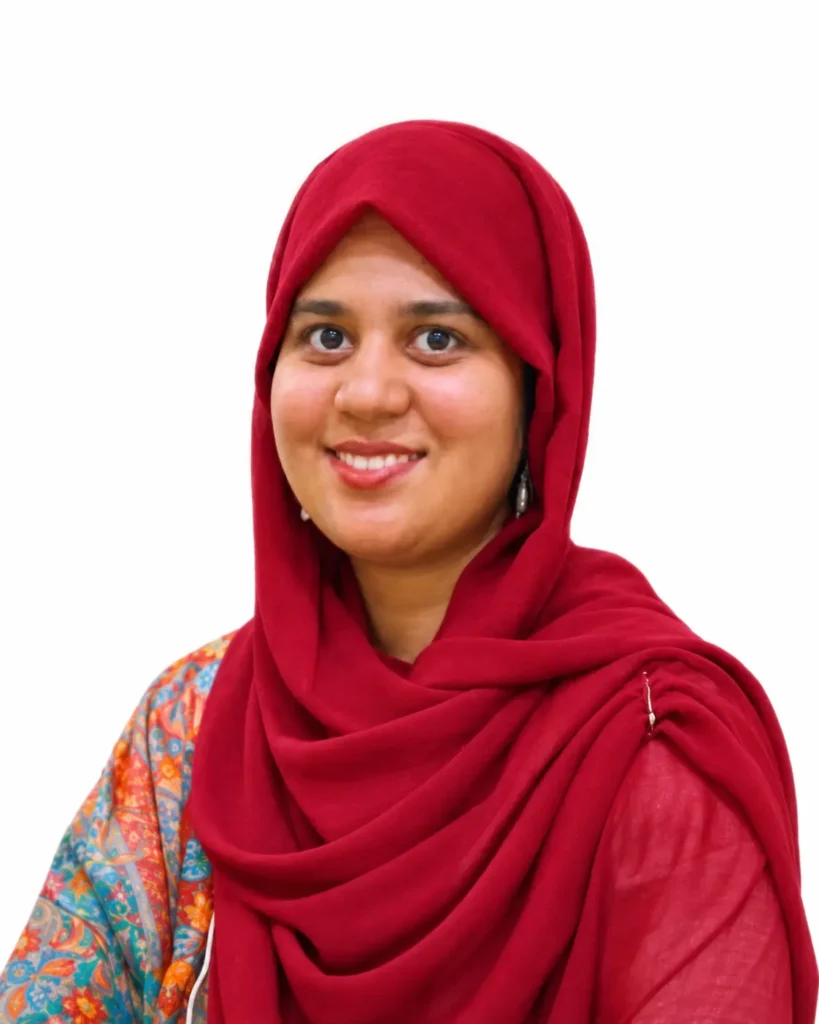
Areeda Amjad
Clinical Psychologist · Child & Neurodevelopment
Clinical psychologist providing child-focused emotional and behavioural support, psychological assessment, CBT-informed approaches and family guidance.
Questions about PTSD therapy for children in Bahawalpur.
Helpful answers about childhood trauma, psychological care, caregiver involvement and the recovery process.
Where can I find PTSD therapy for children in Bahawalpur?
Rafaa Center provides child psychological assessment, trauma-informed emotional support and family guidance in Bahawalpur. Book a consultation with our child psychology team to discuss your child’s needs.
What is PTSD in children?
Post-Traumatic Stress Disorder can develop after exposure to a traumatic event. Symptoms may include unwanted memories, nightmares, avoidance, changes in mood and feeling constantly alert or unsafe, with an impact on daily functioning.
Does every child who experiences trauma develop PTSD?
No. Children’s responses vary, and many recover with supportive relationships and time. Persistent distress or changes affecting daily life are reasons to seek professional assessment.
What are common PTSD symptoms in younger children?
Younger children may show nightmares, clinginess, regression, changes in play, irritability, sleep difficulties, physical complaints or distress around reminders of an event.
Can PTSD affect a child's school performance?
Yes. Trauma-related sleep problems, anxiety, concentration difficulties and feelings of insecurity can affect attendance, learning and friendships.
Do children have to talk in detail about what happened?
Therapy begins with building safety and trust. Children are supported with age-appropriate activities and coping skills before structured trauma processing. The approach is guided by individual readiness and clinical needs.
What is Trauma-Focused Cognitive Behavioural Therapy (TF-CBT)?
TF-CBT is an evidence-based psychological approach that helps children understand trauma responses, build coping skills, address distressing memories and involve supportive caregivers in recovery.
Is EMDR used for childhood PTSD?
EMDR is an evidence-based option for suitable children and adolescents. The therapeutic approach is chosen through assessment, taking account of symptoms, age, treatment response and developmental needs.
Can PTSD treatment help with nightmares and flashbacks?
Trauma-focused therapy aims to reduce the impact of intrusive memories, nightmares, avoidance and trauma-related distress while improving everyday functioning.
How long does PTSD therapy for children take?
Treatment duration depends on the child’s age, symptoms, experiences, wellbeing and goals. Progress is reviewed during therapy, and support is adapted to the child’s needs.
Are parents involved in a child's trauma therapy?
Caregivers often play an important role in helping a child feel secure. Therapy may include guidance on trauma responses, reassuring routines, communication and practical support at home.
Can children develop PTSD after an accident or natural disaster?
Yes. Accidents, disasters, violence and other overwhelming experiences can lead to trauma-related symptoms. A clinician assesses the child’s experience and emotional needs.
Can a child recover after traumatic experiences?
Children can make meaningful improvements with safety, supportive relationships and appropriate psychological care. Recovery is individual and therapy focuses on restoring wellbeing and everyday participation.
What if a child is still in an unsafe situation?
Immediate safety is the priority. If abuse, violence or immediate danger is ongoing, seek urgent protection and appropriate emergency or safeguarding assistance alongside psychological care.
How do I book child PTSD therapy at Rafaa Center?
Call or WhatsApp +92 311 4522233 or visit rafaacenter.com/contact-us/. Rafaa Center is located at House No. 5, Street No. 4, Mohammedia Colony, Bahawalpur.
Help your child feel safe again.
Compassionate care. A path forward.