
Bullying & Social Skills Support for Children in Bahawalpur
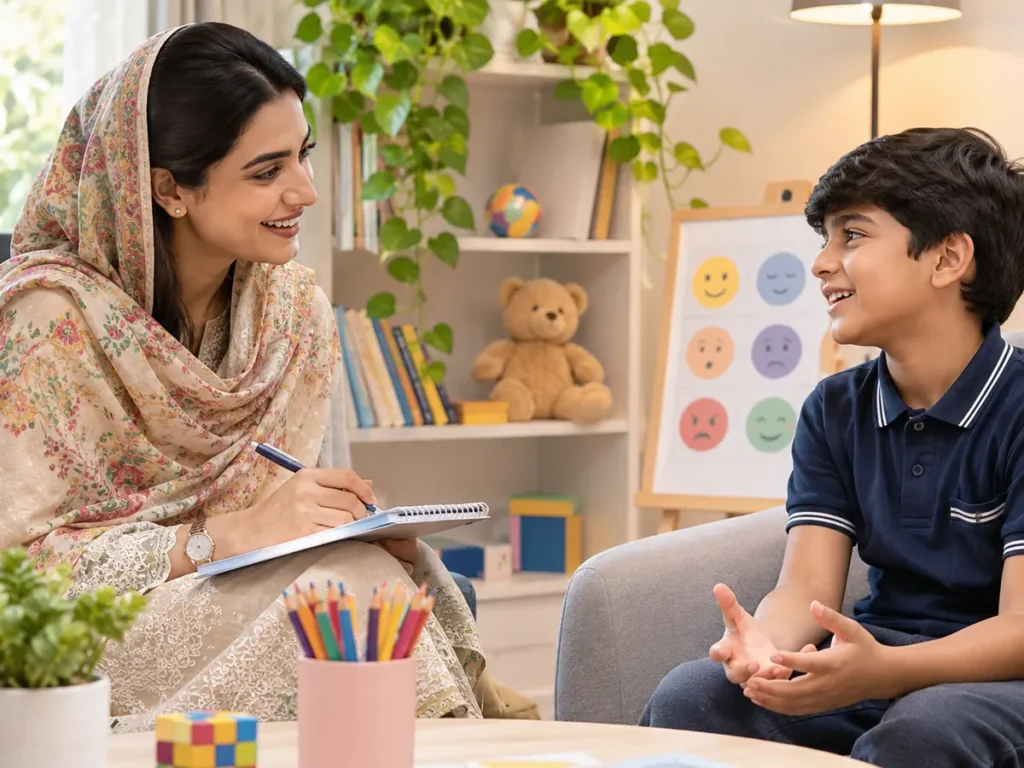
Helping children feel safer, more confident and connected.
Bullying can affect how a child feels about school, friendships and themselves. Whether a young person is experiencing teasing, exclusion, online harassment or difficulty connecting with peers, compassionate support can make a real difference. At Rafaa Center in Bahawalpur, our child psychology team supports children and teenagers with emotional wellbeing, confidence, communication and social challenges. Our work also helps parents understand their child’s experiences and strengthen supportive responses at home.
Every child deserves to feel safe and accepted.
The effects of bullying can continue beyond the classroom.
Bullying involves repeated harmful behaviour in which there is a real or perceived power imbalance. It may involve physical intimidation, hurtful words, social exclusion, rumours or cyberbullying through messages and social platforms. A child may begin to avoid school, lose confidence, feel anxious or withdraw from activities they once enjoyed.
Some young people also find conversations, social cues, turn-taking or maintaining friendships difficult. These social skills challenges deserve understanding and practical guidance. Bullying is never the responsibility of the child being targeted. Improving social confidence is helpful, but stopping bullying requires appropriate action from responsible adults and schools.
At Rafaa Center’s Child & Adolescent Psychology Services, support begins with listening to the child’s experience, understanding what is affecting their wellbeing and developing a practical, child-centred care plan.
Signs that a child may be struggling with bullying or peer relationships.
Some children talk openly about bullying, while others show changes in behaviour, health or school participation. These signs can also have other causes, so careful listening matters.
Avoiding school
Feeling worried about classes, classmates, transport or certain school activities; reluctance to attend.
Withdrawal from friends
Spending less time with peers, leaving group activities or suddenly losing interest in friendships.
Low confidence
Negative self-talk, shame, feeling unwanted or believing they cannot make friends.
Physical signs of stress
Recurring headaches, stomach aches, sleep difficulties or tiredness around stressful situations.
Changes in mood and learning
Irritability, sadness, reduced concentration or falling motivation at school.
Social communication struggles
Difficulty starting conversations, understanding social cues, taking turns or resolving disagreements.
Bullying is not always obvious.
Verbal bullying: Repeated insults, name-calling, threats or humiliating comments can affect confidence and school participation.
Relational bullying: Deliberate exclusion, spreading rumours, manipulating friendships and isolating someone from a group can be especially distressing.
Physical bullying: Pushing, hitting, intimidation, taking belongings or other physical harm needs prompt safeguarding action.
Cyberbullying: Hurtful messages, group-chat harassment, unwanted sharing of images or humiliating posts can follow a young person beyond school hours.
Social misunderstandings: Some children struggle with conversation, perspective-taking or friendship boundaries. A psychologist can help explore the difficulty without making the child responsible for another person’s harmful behaviour.
When a child hurts others: Repeated unkind or aggressive behaviour also requires thoughtful intervention. The focus is understanding underlying needs, setting boundaries, teaching responsibility and helping restore healthier relationships.
When a child suddenly stops wanting to go to school.
A change in behaviour is often a reason to ask what has changed.
Imagine a child who once looked forward to seeing friends but now feels sick every school morning. Homework becomes difficult, and a previously talkative child becomes quiet at home. The child may be dealing with exclusion, teasing or frightening messages but unsure how to tell an adult.
A calm conversation can help. Instead of demanding an immediate explanation, caregivers can listen, ask open questions and make it clear that asking for help is safe. The school should be involved in addressing bullying, while psychological support helps the child process the experience, develop coping skills and rebuild confidence.
At Rafaa Center, child-focused sessions consider the young person’s emotional wellbeing, daily functioning and relationships. Families can also explore child psychological assessment when anxiety, low mood or school avoidance is affecting everyday life.
For children, teenagers and families navigating difficult peer experiences.
Rafaa Center supports emotional and behavioural concerns linked to bullying, friendship challenges and social confidence. School safeguarding and psychological care work together to support the child.
How therapy supports children affected by bullying and social difficulties.
Emotional support and assessment: A clinical psychologist listens to the child’s experience and considers how bullying, stress, anxiety or low mood are affecting school, friendships and everyday functioning.
CBT-informed coping strategies: Individual psychological sessions can help children work with distressing thoughts, develop practical coping skills and rebuild confidence without suggesting they caused the bullying.
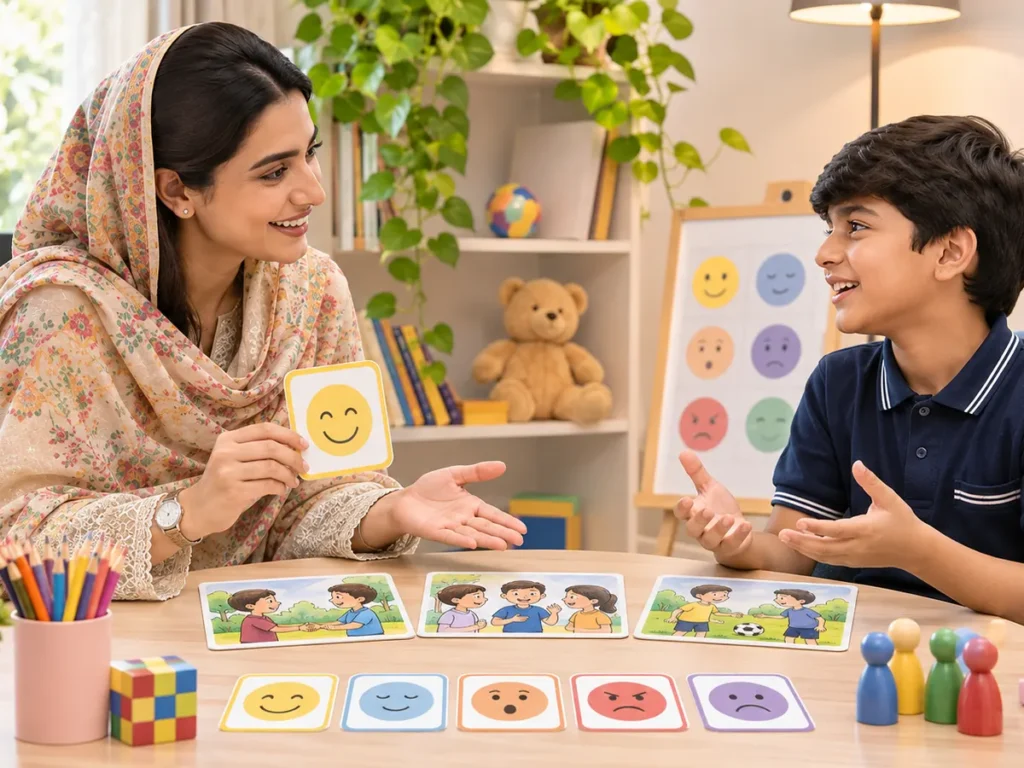
Social skills development: Guided activities may help children practise starting conversations, taking turns, understanding social cues, communicating needs, building friendships and navigating disagreements.
Assertiveness and safety: Children can learn how to recognise harmful behaviour, set appropriate boundaries, seek trusted adult support and respond safely without escalating conflict.
Parent and family guidance: Caregivers learn how to listen without blame, recognise emotional changes, document concerns and support the child’s confidence and routines.
School communication: With appropriate consent, families and school professionals can coordinate safeguarding measures, classroom support and an anti-bullying response. Psychological therapy does not replace the school’s duty to protect children.
Support for children who bully others: A child-focused plan may address emotion regulation, empathy, accountability, respectful communication and behaviour patterns while protecting the wellbeing of others. For background information, see StopBullying.gov’s warning signs resource.
How child bullying and social skills consultations work at Rafaa Center.
Every care plan is shaped by the child’s experiences, needs and goals, with parents involved in practical next steps.
Initial conversation
01 · LISTEN
We discuss the child’s school experience, friendships, emotional wellbeing, family concerns and current difficulties.
Child-focused assessment
02 · UNDERSTAND
The psychologist explores anxiety, confidence, behaviour, social communication and relevant developmental or learning needs.
Personalised support plan
03 · SUPPORT
Sessions may focus on emotional coping, communication, friendship skills, parent guidance and safe school coordination.
Progress and family guidance
04 · REVIEW
We review changes in confidence, daily functioning and relationships, then adapt goals and strategies as needed.
Meet the professional supporting children and families.
Areeda Amjad is a Clinical Psychologist at Rafaa Center specialising in child and neurodevelopmental concerns. Her clinical work includes emotional and behavioural assessment, child-focused psychological support and parent guidance. She helps families understand difficult peer experiences and develop practical skills for emotional wellbeing and healthier relationships.

Areeda Amjad
Clinical Psychologist · Child & Neurodevelopment
Child clinical psychologist supporting emotional wellbeing, behaviour, social communication and developmental concerns through psychological assessment and family guidance.
Questions about bullying and social skills support in Bahawalpur.
Practical information about recognising bullying, supporting children, improving peer relationships and involving schools.
Where can I find bullying and social skills support in Bahawalpur?
Rafaa Center provides child psychological assessment, emotional support, communication and social skills guidance for children and families in Bahawalpur. Contact the centre to book a consultation.
What are the common signs that my child is being bullied?
Possible signs include avoiding school, headaches or stomach aches, sleep changes, withdrawal from friends, falling confidence and changes in mood or school participation. A child may not tell adults immediately.
Can bullying affect a child's mental health?
Yes. Bullying can contribute to anxiety, low mood, stress, loss of confidence and social withdrawal. Early action from responsible adults and appropriate emotional support are important.
Do you support children whose behaviour is hurting others?
Yes. Psychological support can help children understand emotions, practise empathy, manage frustration, take responsibility and develop healthier ways to relate to peers.
Is difficulty making friends always a psychological disorder?
No. Friendship difficulties can arise from shyness, social experiences, communication differences, anxiety or changing environments. A psychologist considers the child’s development and situation before recommending support.
What is social skills training for children?
It involves guided practice in skills such as starting conversations, listening, turn-taking, understanding social cues, asking for help, setting boundaries and managing disagreements.
Can therapy help a child regain confidence after bullying?
Psychological support can help a child process distress, challenge negative self-beliefs and rebuild confidence. Creating a safe environment at school and home remains essential.
Should parents contact the school about bullying?
Yes. Report incidents through appropriate school channels, document what happened and request clear steps to protect the child. Therapy should complement, not replace, the school’s safeguarding response.
What should parents do if their child refuses to go to school?
Listen calmly, check for bullying or other stressors, involve school staff and arrange psychological assessment when attendance, anxiety or daily functioning is affected. Avoid punishment before understanding the cause.
How can I support my child after cyberbullying?
Save relevant evidence, help the child block or report harmful accounts, avoid blame and involve appropriate school or safeguarding authorities. Offer emotional support and check whether the child feels safe.
Are social skills useful for children on the autism spectrum?
Social communication support can be beneficial when tailored to a child’s communication style and preferences. The goal is meaningful connection and participation, not forcing a child to hide their differences.
Can CBT help children dealing with bullying-related anxiety?
CBT-informed psychological approaches may help children work with anxious thoughts, self-confidence and coping. They should be paired with practical action to address bullying and keep the child safe.
Will parents be involved in the consultation?
Parent guidance is an important part of supporting children. The psychologist balances caregiver involvement with the child’s age, comfort, privacy and individual needs.
What if my child talks about self-harm because of bullying?
Take it seriously, stay with the child if there is immediate danger and seek urgent emergency medical care. If abuse, threats or serious violence is occurring, contact appropriate safeguarding or emergency services.
How do I book an appointment at Rafaa Center?
Book through rafaacenter.com/contact-us/ or call +92 311 4522233. Rafaa Center is located at House No. 5, Street No. 4, Muhammadiye Colony, Bahawalpur.
Help your child feel connected.
Support for confidence, friendships and wellbeing.
Practical skills that support connection and confidence.
Activities and goals are tailored to each child’s developmental stage, strengths and social environment.
Starting and joining conversations
Practising greetings, listening, asking questions and participating comfortably in peer activities.
Understanding social cues
Exploring feelings, facial expressions, body language and how situations can look from different perspectives.
Resolving disagreements
Learning respectful language, turn-taking, boundaries and ways to ask an adult for help.
Developing self-confidence
Building a positive sense of self, recognising strengths and becoming more comfortable in safe social situations.